| ||
Saturday, 27 August 2011
company secretaryship - course
 A Company Secretary is a professional like a Doctor, Engineer or Chartered Accountant.The major role of a Company Secretary is to ensure that whether the Company complies with all applicable laws and endeavours. A Company Secretary is also required to give expert advice to companies on matters of Company Law, FEMA, Corporate Tax and issue of shares. For that reason a Company Secretary is having a high esteem within and outside the organizations.


Saturday, 13 August 2011
Transactions using mobile phone
ഇനി കാര്ഡ് വേണ്ട ഫോണ് മതി
 സാന്ഫ്രാന്സിസ്ക്കോ: കാര്ഡുപയോഗിച്ച് പണമടയ്ക്കാനുള്ള സൗകര്യം തന്നെയായിരുന്നു ഷോപ്പിങ് രംഗത്ത് ഈയടുത്ത കാലത്തുണ്ടായ ഏറ്റവും വലിയ വിപ്ലവം. ആവശ്യത്തിലേറെ പണം കൈയില് കൊണ്ടു നടക്കേണ്ടതില്ലെന്ന് വന്നതോടെ കാര്ഡില്ലാത്തവര് ചുരുക്കമായി. എന്നാല്, ഈ രംഗത്ത് പുതിയൊരു പരീക്ഷണത്തിനൊരുങ്ങുകയാണ്
ഇന്റര്നെറ്റ് സെര്ച്ച് എന്ജിന് കമ്പനിയായ ഗൂഗിള്.
ഷോപ്പിങ് നടത്തുമ്പോള് കാര്ഡിന് പകരം തങ്ങളുടെ ആന്ഡ്രോയിഡ് മൊബൈല്ഫോണ് ഉപയോഗിച്ച് പണമടയ്ക്കാനുള്ള സങ്കേതമാണ് ഗൂഗിളിന്റെ പണിപ്പുരയില് ഒരുങ്ങുന്നത്. ഇതിനായി ഗൂഗിള് പ്രമുഖ സാമ്പത്തിക സേവനദാതാക്കളായ സിറ്റി ഗ്രൂപ്പുമായും മാസ്റ്റര്കാര്ഡുമായും യോജിച്ച് പ്രവര്ത്തിക്കാനൊരുങ്ങുകയാണെന്നും റിപ്പോര്ട്ടുകള് സൂചിപ്പിക്കുന്നു. ഇത് സംബന്ധിച്ച് കമ്പനികള് ഇതുവരെ പ്രതികരിച്ചിട്ടില്ല.
തുടക്കത്തില് സിറ്റി ഗ്രൂപ്പിന്റെ ഉപഭോക്താക്കള്ക്കായിരിക്കും സേവനം ലഭ്യമാവുക. ഗുഗിളിന്റെ ആന്ഡ്രോയിഡ് ഫോണുകളിലെ ഒരു മോഡലായിരിക്കും സേവനങ്ങള്ക്ക് തിരഞ്ഞെടുക്കുക. റീട്ടെയില് ഷോപ്പുകള്ക്ക് ഉപഭോക്താക്കളെ സംബന്ധിച്ച് കൂടുതല് വിവരങ്ങള് ലഭ്യമാവുമെന്നതാണ് ഈ സേവനത്തിന്റെ പ്രത്യേകത. അതുകൊണ്ട് തന്നെ പിന്നീട് പുതിയ ഓഫറുകള് സംബന്ധിച്ചുള്ള കാര്യങ്ങളും മറ്റും ഇവര്ക്ക് എഴുപ്പത്തില് അയച്ചുകൊടുക്കാനും പുതിയ സേവനം വഴിയൊരുക്കും. കൂടാതെ ഉപഭോക്താക്കള്ക്ക് ക്രെഡിറ്റ് കാര്ഡും ഫോണും ഒരുമിച്ച് കൊണ്ടു നടക്കേണ്ട ബുദ്ധിമുട്ടും ഒഴിവാകും.
courtesy : Mathrubhumi
Sunday, 7 August 2011
SBI introduces paper less banking
ഇനി 'പേപ്പര്രഹിത' ബാങ്കിങ്
 അടുത്ത തവണ ബാങ്കില് പോകുമ്പോള് ചിലപ്പോള്, പേ-ഇന്-സ്ലിപ്പും വിത്ത്ഡ്രോവല് ഫോമും റെമിറ്റന്സ് ഫോമുമൊന്നും കണ്ടെന്നു വരില്ല. രാജ്യത്തെ ഏറ്റവും വലിയ ബാങ്കായ സ്റ്റേറ്റ് ബാങ്ക് ഓഫ് ഇന്ത്യ, 'ദി ഗ്രീന് ചാനല്' എന്ന പേരില് പേപ്പര്രഹിത ബാങ്കിങ് സൗകര്യം ആരംഭിച്ചു. ഇതോടെ, ക്യൂ നില്ക്കാതെ തന്നെ ഇടപാടുകാര്ക്ക് ഇടപാട് നടത്തി മടങ്ങാം.
എടിഎം/ഡെബിറ്റ് കാര്ഡ് ഉപയോഗിച്ചാണ് എസ്ബിഐ പേപ്പര്ലെസ് ബാങ്കിങ് ഒരുക്കുന്നത്. ശാഖകളില് സ്ഥാപിച്ചിരിക്കുന്ന ട്രാന്സാക്ഷന് പ്രോസസിങ് ഡിവൈസില് (ടിപിഡി) കാര്ഡ് സൈ്വപ്പ് ചെയ്യുക വഴിയാണ് ഇത് സാധ്യമാകുന്നത്. കടകളിലും മറ്റു വാണിജ്യ കേന്ദ്രങ്ങളിലും സ്ഥാപിച്ചിരിക്കുന്ന പോയിന്റ് ഓഫ് സെയില്സ് (പിഒഎസ്) മെഷീന് സമാനമാണ് ഇത്. എന്നാല് എടിഎം കൗണ്ടറുകളില് നിന്ന് വ്യത്യസ്തവും. പണം നിക്ഷേപിക്കാനോ, ഫണ്ട് ട്രാന്സ്ഫര് ചെയ്യാനോ നിലവില് എടിഎമ്മുകള്ക്കാവില്ല. എന്നാല് ടിപിഡിയില് ഇത് സാധ്യമാണ്.
40,000 രൂപ വരെയുള്ള ഇടപാടുകള് ഇത്തരത്തില് നടത്താം. പണം നിക്ഷേപിക്കാനോ പിന്വലിക്കാനോ മറ്റൊരാള്ക്ക് ട്രാന്സ്ഫര് ചെയ്യാനോ ഈ സൗകര്യം ലഭ്യമാണ്.
തുടക്കത്തില് 5,000ത്തോളം ശാഖകളിലാണ് എസ്ബിഐ പുതിയ സേവനം ലഭ്യമാക്കുന്നത്. ഭാവിയില് കൂടുതല് ശാഖകളിലേക്ക് ഇത് വ്യാപിപ്പിക്കും. എസ്ബിഐയ്ക്ക് നിലവില് 14,437 ശാഖകളാണുള്ളത്.
ഓരോ ശാഖയിലേയും മൊത്തം ഇടപാടിന്റെ 10 ശതമാനമെങ്കിലും ഗ്രീന് ചാനല് കൗണ്ടറുകള് വഴിയാകുമെന്നാണ് ബാങ്ക് കണക്കാക്കുന്നത്. എടിഎമ്മുകളെക്കാള് ചെലവ് കുറവാണെന്ന സവിശേഷതയുമുണ്ട്. ഒരു എടിഎം മെഷീന് ഏതാണ്ട് നാല് ലക്ഷം രൂപ വിലയുണ്ട്. എന്നാല് ടിപിഡിക്ക് 7,000 രൂപ മാത്രമേയുള്ളൂ.
Courtesy: Mathrubhumi daily
New RBI guidelines to banks for ATM
എടിഎം പരാതിപരിഹാരം വൈകിയാല് 100 രൂപ
 എടിഎം ഇടപാട് സംബന്ധിച്ച നിങ്ങള് ഉന്നയിക്കുന്ന പരാതി ഏഴ് ദിവസങ്ങള്ക്കുള്ളില് പരിഹരിച്ചില്ലെങ്കില് പ്രസ്തുത ബാങ്ക് പ്രതിദിനം 100 രൂപ വെച്ച് നഷ്ടപരിഹാരം നല്കേണ്ടിവരും. റിസര്വ് ബാങ്കിന്റെ പുതിയ മാര്ഗ്ഗനിര്ദ്ദേശപ്രകാരമാണ് ഇത്. ജൂലായ് ഒന്ന് മുതല് ഇത് പ്രാബല്യത്തിലായി.
അക്കൗണ്ടില് നിന്ന് പണം കുറയുകയും എന്നാല് അത് ലഭിക്കാതിരിക്കുകയും ചെയ്താല് പരാതിപ്പെടാം. എടിഎമ്മില് രേഖപ്പെടുത്തിയ തുകയെക്കാള് കുറച്ചാണ് ലഭിക്കുന്നതെങ്കിലും പരാതി നല്കാം. തെറ്റായ ഡെബിറ്റിനും ഇത് ബാധകമാണ്.
പ്രശ്നമുണ്ടായി 30 ദിവസത്തിനുള്ള പ്രസ്തുത ബാങ്കില് പരാതി നല്കിയാല് മാത്രമേ നഷ്ടപരിഹാരം ലഭിക്കുകയുള്ളൂ. നിലവില് എടിഎം സംബന്ധിച്ച പരാതികള് പരിഹരിക്കാന് 10 മുതല് 20 ദിവസം വരെ എടുക്കുന്നുണ്ട്. പുതിയ നിയമം പ്രാബല്യത്തിലായതോടെ, നഷ്ടപരിഹാര ഇനത്തില് വന്തുക ബാങ്കുകള്ക്ക് ചെലവാകും.
Courtesy: Mathrubhumi daily
Saturday, 6 August 2011
Commerce Exhibition
COMMERCE EXHIBITION
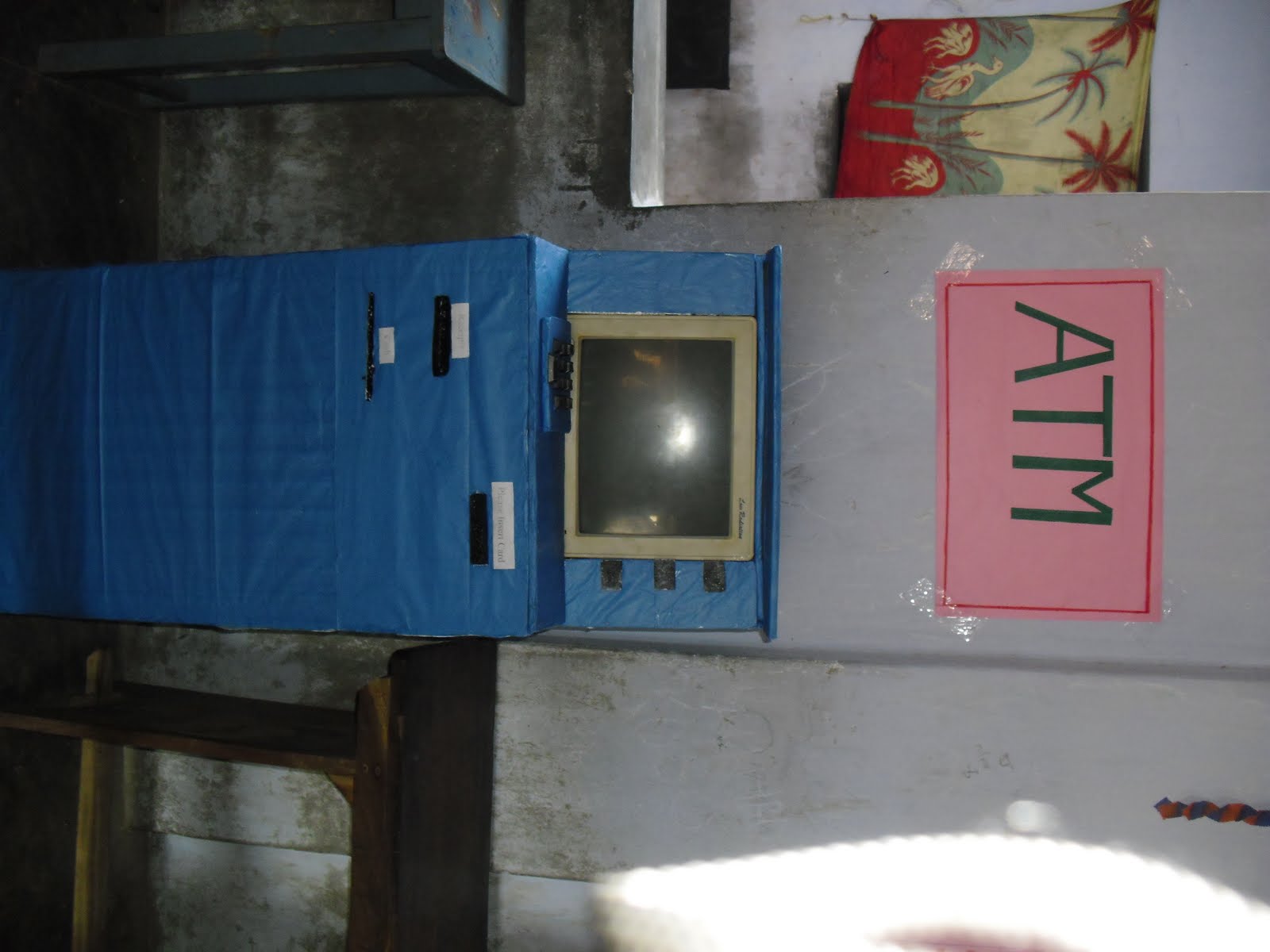
Commerce club has conducted an Exhibition in 2010. The exhibition was inaugurated by our PTA president Sri.K.Sundaran and our Principal G.Vincent presided over the function. Sri. Padmanabhan, Standing committee member- Education, of Perumatty panchayath, was present in the occasion.
 |
| Sri. K.Sundaran inaugurating the exhibition by lighting the lamp |
 |
| Students of commerce stream - KKMHSS Vandithavalam |
 |
| Sri.G.Vincent, Principal, K.K.M.S.S. adressing the students |
 |
| Sri.Padmanabhan, Standing committee chairman - Education, Perumatty Grama Panchayath, lighting the lamp |
 |
| Sri. G. Vincent Principal , K.K.M.H.S.S, Lighting the lamp |

 |
| Ancient coin collection exhibited |

 |
| Debit & Credit cards |


 |
| A model ATM |
 |
| Different application forms used in a bank |
 |
| A show organized in the exhibition |



 |
| Our teacher - Sri. Unnikrishnan, Hsst Economics |


Monday, 1 August 2011
XII year accounting Notes
Accounting for Partnership – Basic Concepts
A business can be organized in different forms.
- Sole Proprietorship
- Partnership
- Company
The major limitations of Sole proprietorship form of business is
- Limited Capital
- Limited Managerial ability
- and Limited risk bearing capacity
Making business a partnership firm is one way to overcome the above limitations.
The basic accounting formalities to be followed in partnership accounting is similar to that of sole proprietorship business. Ie., the preparation of profit and loss A/c and Balance sheet. But it differs in the following areas.
- Distribution of profits among the partners
- Maintenance of capital accounts and
- Regarding adjustments when the firm is reconstituted.
So the question what is a Partnership is relevant here!
Indian Partnership Act 1932 defines Partnership as “the relation between persons who have agreed to share the profits of a business carried on by all or any of them acting for all”
The persons who have entered into partnership individually are known as partners and collectively as ‘Firm’.
Features:
- To or more persons.
There must be at least 2 persons to form a partnership. Maximum limit is 10 for banking business and 20 for any other business.
- Agreement between partners.
A partnership is always based on an agreement, without which there won’t be any partnership business. Agreement can be oral or written.
- Business. The partnership business should be for carrying on some legal business
- Sharing of profits. The agreement must be for sharing the profits of the
business. The ration in which the profits are to shared must be clearly stated in the partnership. In the absence of a ratio the profits will be shared equally.
- Business must be carried on by all or any one of them acting for all.
Here the partnership is based on the concept of mutual agency relationship. Ie., a partner is both an agent( he can, by his acts, bind other partners) and a Principal(bound by the acts of other partners).
Partnership deed
A partnership agreement is formed by an agreement. This agreement can be oral or written. If it is written it is called Partnership Deed. But law doesn’t say that the agreement should be in the written form. But it is always advisable to be in the written form in order to avoid the future conflicts and confusions.
Assignment:
You along with your friends joined hands to form a partnership business. Prepare a partnership deed which contains all the details of your agreement.
Provision in the Act if there is no Partnership Deed or Deed is silent on the following aspects:
1. Profit sharing: The partners will share profits equally if there is no ratio for profit sharing is stated in the partnership deed irrespective of their capital contribution.
2. Interest on Capital: No interest on capital will be given to the partners if the Partnership deed is silent about it. Interest on capital will be given only out of profits but not out of losses even if the deed provides so.
3. Interest on Loan: Partners are entitled to interest @ 6 % per annum for the loan given by them to the firm, other than the capital. They are entitled to get this interest even if the firm in loss.
4. Interest on Drawings: No interest can be charged if the deed is silent is charged in this respect.
5. Remuneration to partners (salary): No partners are entitled to any salary or commission for participating in the business.
Partners Capital Accounts
All transactions relating to the partners are recorded in their respective capital accounts. There are 2 methods of maintaining capital accounts of partners.
1. Fluctuating Capital Method
2. Fixed Capital Method
Fluctuating Capital Method
Under this method only one capital account is maintained for each partner. All items affecting the partner’s accounts like interest on capital, drawings, interest on drawings, salary, commission, share of profit etc is recorded in this account.
Fixed Capital Method
Under this method 2 accounts are maintained for each partner.
- Capital Account
- Current Account
Capital account will remain fixed, unless some additional capital is introduced or some capital is withdrawn from the business. All other items such as interest on capital, drawings, interest on drawings, salary, commission, share of profit etc is recorded in the current accounts of partners. Here it should be noted that the current account balance will fluctuate year after year but the capital account will almost remain fixed.
Difference between Fluctuating capital method and fixed capital method
| Sl.no | Fluctuating capital | Fixed capital |
| 1 | Only one a/c is maintained | Two a/c are maintained ie., Capital a/c and current a/c |
| 2.. | Fluctuates year after year | Capital a/c almost remains fixed, but current a/c will change |
| 3. | All adjustments are done in this a/c. Ie., Interest on capital, interest on drawings, drawings, share of profit etc | All adjustments like Interest on capital, interest on drawings, drawings, share of profit etc are done in current account. |
| 4. | Usually firm maintains their capital a/c under this method. | It should be specifically mentioned in the partnership deed to maintain this type of capital account |
DISTRIBUTION OF PROFIT OR LOSS AMONG PARTNERS
The profit ascertained from profit and loss a/c is taken into another account named PROFIT AND APPROPRIATION ACCOUNT.
PROFIT AND APPROPRIATION ACCOUNT:
This is an extension of profit and loss account. All amounts due to partners and due from partners, transfer to reserve etc are recorded in this account. So PROFIT AND LOSS APPROPRIATION ACCOUNT is prepared to show how net profit is distributed among the partners. In this account net profit, interest on drawings etc is credited and salary, commission, interest on capital etc is debited. The balance available will be distributed among the partners in the agreed ratio.
Journal Entries:
- For transfer of net profit:
Profit and loss A/c Dr
Profit and loss Appropriation A/c
For transfer of net loss:
Profit and loss Appropriation A/c Dr
Profit and loss A/c
- Interest on capital:
Interest on capital A/c Dr
Partners Capital A/c
(Interest on capital provided in capital a/c)
Profit and loss Appropriation A/c Dr
Interest on capital
(Interest transferred to Profit and loss Appropriation A/c)
- Partners salary:
Partner’s salary A/c Dr
Partner’s capital
(Salary due to a partner)
Profit and loss appropriation A/c Dr
Partner’s salary
(Salary transferred to profit and loss appropriation A/c)
- Partners Commission:
Partners commission A/c Dr
Partner’s capital
(Commission due to a partner)
Profit and loss Appropriation A/c Dr
Partners Commission
(Commission transferred to profit and loss appropriation A/c)
- Interest on drawings:
Partner’s capital A/c Dr
Interest on drawings
Interest on drawings A/c Dr
Profit and loss Appropriation A/c
Proforma of profit and loss account:
Profit and loss Appropriation A/c
| Particulars | Amount | Particulars | Amount |
| Profit and Loss A/c(Net loss) Salary Commission Interest on capital Capital A/c(Profit) | Xxxx Xxxx Xxxx Xxxx xxxx | Profit and loss A/c (Net profit) Interest on drawings Capital accounts(Loss) | Xxxx Xxxx Xxxx |
| xxxx | xxxxx |
Calculation of Interest on Capital:
Interest on capital is generally calculated on the opening balance of partner’s capital accounts, if partnership deed provides for it. Calculation is done depending upon the amount and the duration (period).
For Eg:
Raju started business on 01/01/2008 with a capital of Rs.20000. If the accounts will be closed on 31/12/2008 , then interest will be calculated for 1year.
Suppose he starts business only on 01/06/2008 , then interest will be calculated for 6 months only, if the accounts are closed on 31/06/2008 .
Interest on Drawings:
Interest on drawings may be charged if partnership deed provides for it. The interest is calculated for the period from date of withdrawal to date of closing.
Guarantee of profit to a partner:
Sometimes a new partner or existing partner is guaranteed a minimum amount as share of profit by other partners. The guaranteed partner is entitled to receive the guaranteed share or actual share whichever is higher. But if in any year if the actual profit is less than the guaranteed amount then the other partners must compensate the shortage.
purchasing shares through IPO
Purchasing shares through IPO
ഒരു കമ്പനിയുടെ മൊത്തം മൂലധനത്തെ വിവിധ യൂണിറ്റുകളായി വിഭജിക്കുന്നതിന്റെ അടിസ്ഥാനത്തിലാണ് ഓഹരികള് രൂപം കൊള്ളുന്നത്. ഇങ്ങനെ വിഭജിക്കപ്പെടുന്ന യൂണിറ്റുകള് അഥവാ ഓഹരികള് കൈവശം വെക്കുന്നതിന്റെ തോത് അനുസരിച്ചാണ് കമ്പനിയുടെ ഉടമസ്ഥാവകാശം നിര്ണയിക്കപ്പെടുന്നത്. ഉദാഹരണത്തിന് ഒരു കോടി ഓഹരികളുള്ള ഒരു കമ്പനിയുടെ 10 ലക്ഷം ഓഹരികള് കൈവശം വെക്കുന്ന ഒരാള്ക്ക് കമ്പനിയില് 10 ശതമാനം ഉടമസ്ഥാവകാശമാണുള്ളത്. ഒരു നിക്ഷേപകന് ഓഹരികള് വാങ്ങുന്നതിലൂടെ ആ കമ്പനിയുടെ ഉടമസ്ഥാവകാശമാണ് അയാള്ക്ക് ലഭിക്കുന്നത്.
കമ്പനികള് അവയുടെ പ്രവര്ത്തനങ്ങള്ക്കായും ഭാവിപദ്ധതികള്ക്കായും പണം കണ്ടെത്തുന്നതിന് അവലംബിക്കുന്ന ഒരു മാര്ഗ്ഗമാണ് ഓഹരികള് വില്ക്കുക എന്നത്. കമ്പനി നേരിട്ട് ഇത്തരത്തില് ഓഹരികള് വില്ക്കാറുണ്ട്. പൊതുജനങ്ങള്ക്ക് ഓഹരികള് വില്ക്കുന്നതിനായി കമ്പനികള് അവലംബിക്കുന്ന വേദിയാണ് ഓഹരി വിപണി അഥവാ സ്റ്റോക്ക് എക്സ്ചേഞ്ച്.
സ്റ്റോക്ക് എക്സ്ചേഞ്ചിലൂടെ ഒരു കമ്പനിയുടെ ഓഹരി ഇടപാടുകള് ചെയ്യുന്നതിന് രണ്ട് ഘട്ടത്തിലുള്ള നടപടി ക്രമങ്ങളുണ്ട്. ആദ്യമായി കമ്പനി ചെയ്യേണ്ടത് പ്രാഥമിക വിപണിയിലെ നടപടിക്രമങ്ങള് പൂര്ത്തിയാക്കുകയാണ്. അതിനു ശേഷമാണ് ദ്വിതീയ വിപണിയില് ഓഹരിയുടെ വ്യാപാരം ആരംഭിക്കുന്നത്.
പ്രാഥമിക വിപണി
ഓഹരികള് വില്ക്കുന്നതിലൂടെ ഫണ്ട് കണ്ടെത്താന് ശ്രമിക്കുന്ന കമ്പനികള്, ഇതിനായി ബന്ധപ്പെട്ട അധികൃതരുടെ (സെബി) അനുമതി ലഭിച്ചതിനു ശേഷമുള്ള ആദ്യപടിയായി ഇനീഷ്യല് പബ്ലിക് ഓഫറി (ഐപിഒ) ലൂടെ തങ്ങള് നിശ്ചിത എണ്ണം ഓഹരികള് വില്ക്കാന് ഒരുങ്ങുന്നതായി പൊതു ജനങ്ങളെ അറിയിക്കുന്നു. ഐപിഒ വിപണിയെയാണ് പ്രാഥമിക വിപണി എന്ന് വിശേഷിപ്പിക്കുന്നത്.
ഐപിഒയിലൂടെ ഓഹരി വില്ക്കുന്ന കമ്പനി ഓഹരിക്ക് ഒരു നിശ്ചിത വില നിലവാരം നിശ്ചയിച്ചിരിക്കും. ഈ വില നിലവാരത്തിനുള്ളില് നിന്നുകൊണ്ട് തനിക്ക് അനുയോജ്യമായ വിലയ്ക്ക് ഓഹരി വാങ്ങാനുള്ള സന്നദ്ധത നിക്ഷേപകന് കമ്പനിയെ അറിയിക്കാം. ഉദാഹരണത്തിന് ഒരു കമ്പനി ഐപിഒ വിലയായി നിശ്ചയിക്കുന്നത് 100-120 രൂപയാണെന്ന് കരുതുക. അനുയോജ്യമായ വില 110 രൂപയാണെന്ന് കരുതുന്ന നിക്ഷേകന് ആ വിലയ്ക്ക് താന് ഓഹരി വാങ്ങാന് തയാറാണെന്ന് ഐപിഒ അപേക്ഷയില് വ്യക്തമാക്കാവുന്നതാണ്.
ഐപിഒക്ക് ലഭിക്കുന്ന പ്രതികരണത്തിന്റെ അടിസ്ഥാനത്തിലാണ് ഓഹരി അനുവദിക്കുന്നതിനുള്ള അന്തിമ വില നിശ്ചയിച്ചിക്കുന്നത്. നിക്ഷേപകരില് നിന്നും നല്ല പ്രതികരണം കിട്ടുന്ന മിക്ക ഐപിഒകളിലും ഓഹരി വിലയായി നിശ്ചയിക്കുന്നത് പ്രൈസ് ബാന്റിലെ ഏറ്റവും ഉയര്ന്ന വിലയായിരിക്കും. കമ്പനി നിശ്ചയിച്ച വിലയ്ക്ക് ഓഹരി വാങ്ങാന് അപേക്ഷയില് സന്നദ്ധത പ്രകടിപ്പിച്ചിട്ടുള്ള നിക്ഷേപകര്ക്കു മാത്രമേ ഓഹരികള് അനുവദിക്കുകയുള്ളൂ. കമ്പനി നിക്ഷേപകന് ഓഹരി നല്കുന്നതിനായി നിശ്ചയിക്കുന്ന വിലയെയാണ് ഇഷ്യു പ്രൈസ് എന്ന് പറയുന്നത്.
ഇഷ്യു പ്രൈസ് നിശ്ചയിക്കുകയും ഓഹരികള് നിക്ഷേപകര്ക്ക് അനുവദിക്കുകയും ചെയ്താല് പ്രാഥമിക വിപണിയിലെ നടപടി ക്രമങ്ങള് പൂര്ത്തിയായി കഴിഞ്ഞു. ഇനിയാണ് ഓഹരി, ദ്വിതീയ വിപണിയില് വ്യാപാരം ആരംഭിക്കുന്നത്. പ്രാഥമിക വിപണിയില് അനുവദിക്കപ്പെട്ട ഓഹരികളുടെ വ്യാപാരം ദ്വീതിയ വിപണിയില് ആരംഭിക്കുന്നത് നേരത്തെ നിശ്ചയിച്ച തീയതി അനുസരിച്ചായിരിക്കും. നിക്ഷേപകര്ക്ക് അനുവദിക്കപ്പെട്ട ഓഹരികള് ഈ ദിവസം മുതല് ദ്വീതിയ വിപണിയില് വില്ക്കാനും വാങ്ങാനും സാധിക്കും.
ദ്വീതിയ വിപണിയുടെ നില അനുസരിച്ച് പ്രാഥമിക വിപണിയില് അനുവദിക്കപ്പെട്ട ഓഹരികളുടെ വില ഉയരുകയോ താഴുകയോ ചെയ്യാം. ദ്വിതീയ വിപണിയില് മുന്നേറ്റം നടക്കുന്ന ഘട്ടങ്ങളിലാണ് പൊതുവെ പ്രാഥമിക വിപണിയില് നിന്ന് വാങ്ങിയ ഓഹരികളുടെ വില ഉയരുന്നത്. വിപണികാലാവസ്ഥ അനുകൂലമല്ലെങ്കില് പ്രാഥമിക വിപണിയില് നിശ്ചയിക്കപ്പെട്ടതിനേക്കാള് താഴ്ന്ന വിലക്ക് ദ്വിതീയ വിപണിയില് ഓഹരി വ്യാപാരം ചെയ്യപ്പെട്ടുവെന്നു വരാം.
ഐപിഒയിലൂടെ ഓഹരി വാങ്ങുമ്പോള്
പ്രാഥമിക വിപണിയില് നിന്ന് ഓഹരികള് വാങ്ങുന്ന ഒരു നിക്ഷേപകന് ചില കാര്യങ്ങള് പ്രത്യേകം ശ്രദ്ധിക്കേണ്ടത്. മികച്ച കമ്പനിയാണോ എന്നതാണ് ആദ്യത്തെ കാര്യം. കമ്പനി മികച്ചതാണെങ്കിലും ഓഫര് വില ആകര്ഷകമാണെങ്കില് മാത്രമേ പ്രാഥമിക വിപണി വഴി ഓഹരികള് വാങ്ങുന്നതിന് ഒരുങ്ങാവൂ. ചെലവേറിയ ഐപിഒകളുമായി എത്തുന്ന കമ്പനികളുടെ ഓഹരികള് കുറഞ്ഞ വിലക്ക് ദ്വിതീയ വിപണിയില് നിന്ന് വാങ്ങുന്നതിന് അവസരം ലഭിച്ചുവെന്നുവരാം. അതിനാല് ഐപിഒക്ക് അപേക്ഷിക്കുന്നതിന് മുമ്പ് വില ആകര്ഷകമാണോ എന്ന് വിലയിരുത്തുന്നതിന് വിദഗ്ധോപദേശം തേടുക. വിപണിയുടെ നില അനുകൂലമാണോ എന്ന് പരിശോധിക്കുകയാണ് മൂന്നാമത്തെ കാര്യം.
Courtesy to Mathrubhumi and sri, aravind
Subscribe to:
Posts (Atom)